September 16, 2026
Snap launches AR Specs
Launch day is here for Snap’s AR-enabled Specs glasses , with consumers able to pre-order the fully contained mixed reality device for $2,195 as of Sept. 16.
September 16, 2026
Launch day is here for Snap’s AR-enabled Specs glasses , with consumers able to pre-order the fully contained mixed reality device for $2,195 as of Sept. 16.
Launch day is here for Snap’s AR-enabled Specs glasses, with consumers able to pre-order the fully contained mixed reality device for $2,195 as of Sept. 16.
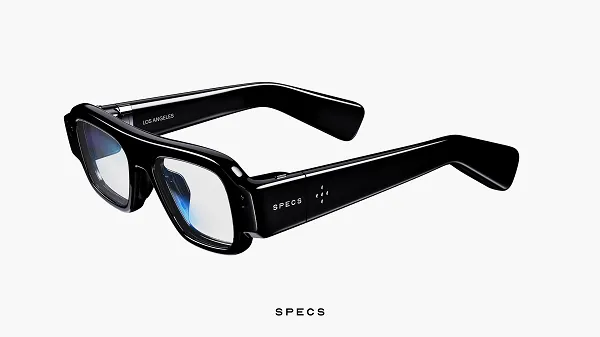
Snap’s Specs include a 51-degree field of view, which will enable all new forms of digital interaction via in-lens overlays and artificial intelligence-powered elements. The device will also include Specs Intelligence, an "anticipatory AI service" which Snap said is designed to help Specs users manage different tasks.
As explained by Snap: "SPECS Intelligence builds an understanding of your goals, priorities, relationships, and routines from the apps and tools you choose to connect [...] SPECS Intelligence is designed to anticipate when help would be useful, and surface relevant information and actions without waiting for a prompt. Before a meeting, it could highlight decisions to make, questions to ask, and things to remember. For an upcoming trip, it could bring together flight, hotel, and dinner plans while flagging a work deadline that falls during the visit."
So in addition to its AR capacity, Snap has also now built in AI functions as well, as it looks to compete with Meta's AI glasses and other competitors.
The company has been building towards the launch of Specs for over a decade, and has positioned the device as a key element in Snap’s future direction.
But questions remain about the viability of the hardware play, and it’s also unclear whether consumer demand and interest will match the company’s enthusiasm for the device.
Snap hosted a public preview of the device in June, which led to many questions about viability and wearability. In particular, this image of Snap CEO Evan Spiegel wearing the glasses raised concerns about the weight and comfort of the standalone system.
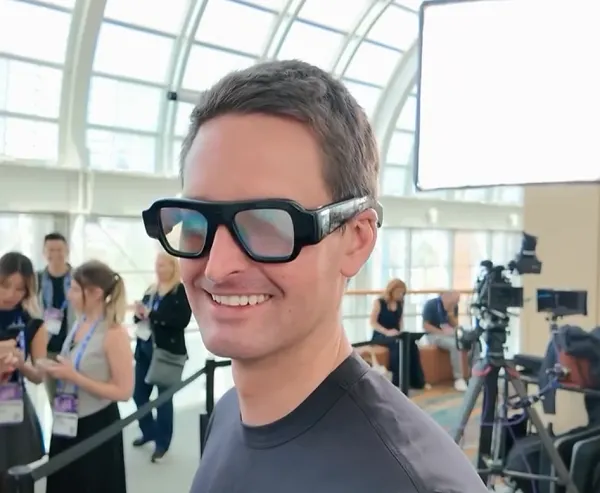
Spiegel’s ear looks fairly crushed and the glasses themselves appear chunky and goggle-like, which is significantly different from the staged photos with celebrities that Snap had pre-released.

The price point also seems restrictive. At this point, it’s unclear whether Snap’s Specs will be a hit or a miss for the business.
As noted, Snap has been building towards this launch for more than a decade, beginning with the launch of the first iteration of its camera-equipped Spectacles in 2016.
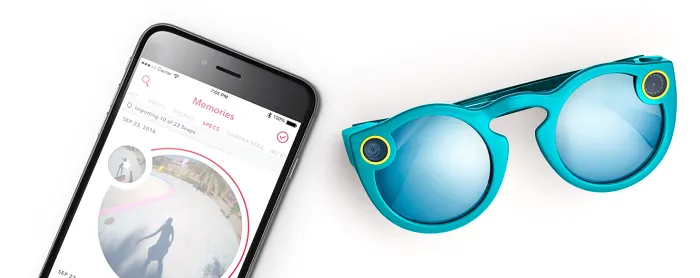
It also launched World Lenses in the Snapchat app the same year, which let users overlay AR elements on their camera view. The company also filed patents for AR functionality that would expand on this.

It seemed inevitable that the next step for Spectacles would be full AR functionality. But then, following a flashy launch to build hype, Spectacles sales dipped significantly. The decline in consumer interest continued into the next year, and eventually Snap lost millions of dollars on unsold inventory after it misjudged Spectacles demand.
Since then, Snap has faced ongoing challenges in building out its AR glasses even as it’s worked to maximize capacity and minimize costs.
The end result of many years of experimentation is this consumer version of Specs. However, they weigh three times more than regular sunglasses, and they have a limited digital field of view in comparison to the smart glasses offered by Meta and Apple.
But Snap has long been the leader in AR innovation. It feels like the company should be a player in the AR wearables segment, but it also seems unlikely that consumer demand is going to meet expectations, let alone exceed them.
In the end, then, Snap’s Specs seem more likely to be a cautionary tale than a next-gen innovation. They may end up being an example of how tech leaders can push too hard on their passion projects, even when the signs are telling them that they should pivot.
Snap’s AR Specs are now available for pre-order in the U.S., France and the U.K. via the Specs website. Units are expected to begin shipping in October.
Get the free daily newsletter read by industry experts


For months, we’ve been tracking Elon Musk’s $44 billion deal with Twitter. Now that the deal is done, we watch as the Musk-Twitter era begins.

The key to maximizing a social media marketing strategy is to ground the approach in purpose.
Keep up with the story. Subscribe to the Social Media Today free daily newsletter
Subscribe to Social Media Today for top news, trends & analysis
Sign up for the free newsletter.
Thanks for signing up! Please keep an eye out for a confirmation email from [email protected] To ensure we make it into your inbox regularly, add us to your allow list, mark us as a safe sender, or add us to your address book. Check out more from





Get the free daily newsletter read by industry experts

Want to share a company announcement with your peers?
For months, we’ve been tracking Elon Musk’s $44 billion deal with Twitter. Now that the deal is done, we watch as the Musk-Twitter era begins.
The key to maximizing a social media marketing strategy is to ground the approach in purpose.